Family life follows its own pace, and sometimes shared hobbies including online gaming can disrupt the balance. A game like Extra Chilli Slot might be a source of fun in your household, yet it may also result in conflicts or disagreements. Think of this article as a guide for one of those moments. The aim is to preserve tranquility when a well-known slot game becomes integrated into your household’s routine. We’ll discuss how to address it, establish some boundaries, and ensure that enjoyment doesn’t interfere with your family’s connection. This is pragmatic relationship guidance, examined through the filter of a title with a fiery twist.
Comprehending the Attraction of Extra Chilli Slot
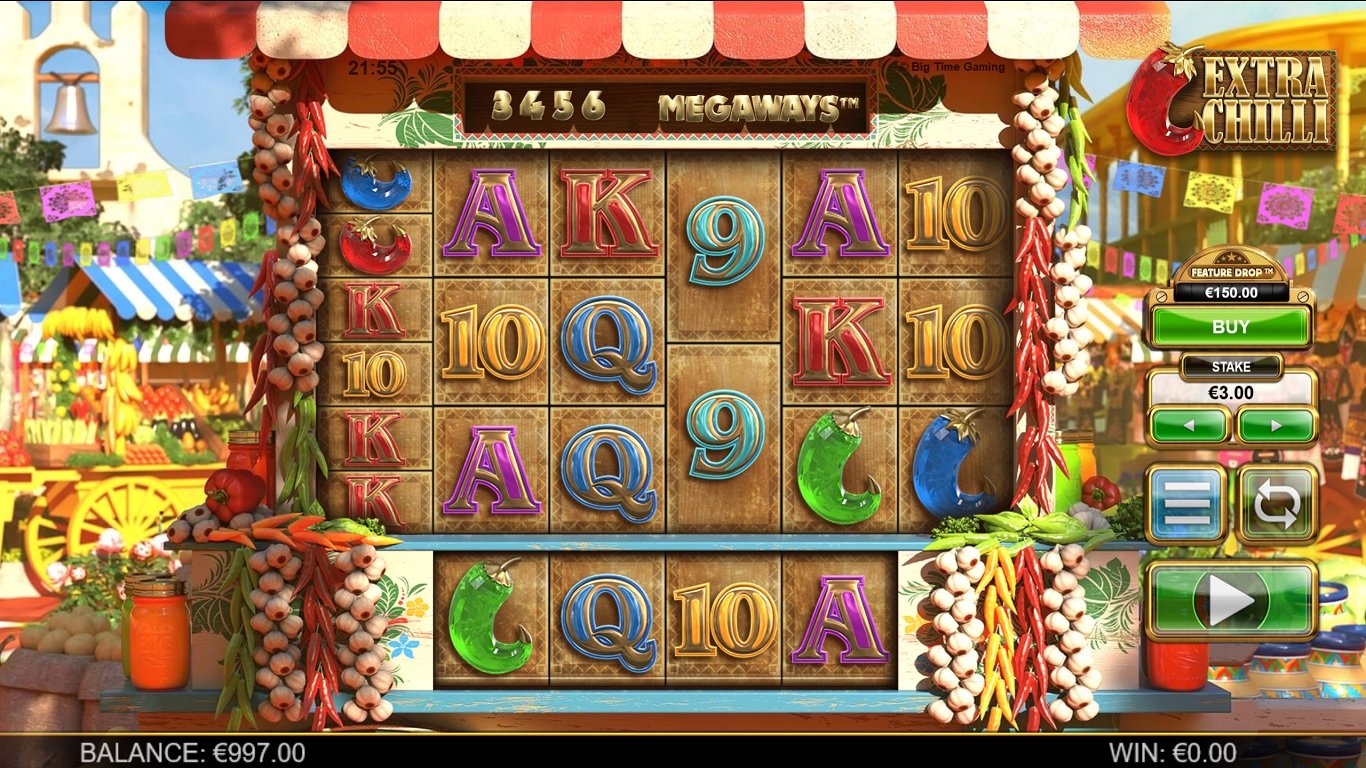
Ahead of you address something, you have to understand why it matters to someone. Extra Chilli Slot, created by Big Time Gaming, is a popular online slot. It has a bright Mexican theme and employs a method called Megaways, where the count of ways to win changes every spin. Its «Infinite Multiplier» feature can make wins increase. People play it for the adrenaline of those cascading reels and the opportunity of a large multiplier. For the player enjoying it, it’s beyond possible money. It’s the lights, the sounds, the suspense. Getting that is the starting point for a family member who doesn’t gamble. It transforms a debate about «that silly game» into a true conversation about what someone deems enjoyable.
The Mindset of Engagement
Games like this are not arbitrary https://extrachilli.eu.com/. They’re founded on ideas from behavioral psychology. The random rewards, the near misses, the flashy celebrations—they’re all meant to keep you playing. Understanding this helps families address gaming habits without pointing fingers. It’s not about a shortage of willpower; it’s about a intelligently designed experience. That shifts the discussion. You cease blaming the person and begin managing the activity together.
Common Moments and Social Gaming
You may assume playing slots is a solo activity, but it usually isn’t. Couples sometimes play together, switching or chatting about what may transpire next. It develops into a mutual thing to do, a way to de-stress side-by-side. That’s a great thing, and it warrants credit in any family talk. Celebrating a win together or just enjoying the colorful adventure can be a authentic point of connection, as long as it never becomes the only way you connect.
Materials and Next Steps for Professional Support
If your home talks aren’t making things easier, or if you spot those caution signs clearly, obtaining outside help is a smart move. You have options. A relationship or home counsellor can offer you a unbiased space and improved tools for conversation. If the worries are specifically about gambling patterns, organizations like GamCare, Gambling Therapy, and the National Gambling Helpline are there. They deliver free, private advice and assistance. Using these tools doesn’t mean you’ve fallen short. It shows you’re committed about your household’s health. It demonstrates you’re a unit resilient enough to request for a assistance when you require it.
Striking a Balance: Combining Gaming with Family Life
You know you’ve found balance when gaming blends seamlessly alongside everything else in your family life. Sometimes that entails making it a group activity. Others can look on and support, turning a solo session into a shared moment. Other times, it means deliberately planning different things to do, like a walk, a film night, or a board game. The idea is clear: Extra Chilli Slot should be one ingredient in your family’s recipe, not the whole meal. When you have other shared interests, your relationship has more to stand on. It’s less prone to instability if you have a disagreement about screen time.
Establishing Healthy Boundaries and Time Agreements
Well-defined rules that everyone accepts are the most effective way to avoid arguments before they start. This requires being practical about time and money. Sit down and devise a plan, akin to a budget for fun. Each person should have a say. The objective is to maintain gaming as a limited part of life, so it doesn’t consume family time, chores, or your savings. A straightforward agreement, even verbal, can prevent you from experiencing the same fight every single day.
Developing a Time Management Plan
A solid plan honors the gamer’s interest and the family’s time. You can use a kitchen timer, agree on specific hours for play that avoid dinner, or designate certain nights as game-free. The rules should feel fair. The person who isn’t gaming can utilize this scheduled time for their own hobby, which aids in preventing building up resentment.
Defining Financial Guardrails
Being open about money is crucial. Here are a few ways to approach it:
- Establish a Strict Entertainment Budget: Agree on a monthly amount for fun stuff, such as gaming. This money should not affect the bills or your savings.
- Employ Deposit Limits: The vast majority of gaming sites have tools that allow you to limit your spending. Use them.
- Look into Separate Accounts: Some couples discover it more convenient to have a small personal account for fun money. It allows independence without secrets.
- Schedule Regular Check-ins: Have a quick, calm chat once a month to review spending. Verify it still aligns with what you both want.
The Role of Honesty as well as Financial Transparency
Hidden truths inflict more damage than any form of gambling. Hiding the duration of your play or worse, denying your losses, chips away at confidence. Practicing financial openness entails openly sharing expenses, earnings, and deficits free from the risk of an outburst. That implies the other person must avoid immediate anger, and the player needs to pledge truthfulness. When you have that openness, gambling ceases to be a hidden pastime and becomes a monitored one. It also means you can notice when things begin to worsen so you can offer support rather than punishment.
Recognizing Common Household Tensions Around Gaming
When a title like Extra Chilli Slot is woven into family life, it can shine a light on problems that were already there. Time is a major factor. One person might feel neglected because the other is staring at a screen. Money is another factor. If you pool your finances, what seems like harmless fun to one person might appear as a waste of cash to the other, notably if you’re planning for something. Values become relevant, too, if kids are around and parents differ on what message these games send. Spotting these friction points is like a diagnosis. It allows you tackle the real issue—maybe a need for attention, or a worry about security—rather than just arguing about the game.

Starting the «Family Counseling Session» Discussion
Initiating this conversation is typically the most difficult part. Don’t making it an surprise attack. Handle it like you’re together on the same team, having a small «counseling session» to bring things improved at home. Employ words that concentrate on your feelings. Try «I feel a bit left out when you engage in the evenings,» rather than «You’re constantly on that game.» Pick a period to speak when you’re each calm, not right after a bad run of spins or in the heat of a fight. Set the aim obvious: you want to comprehend each other more fully and create your home life happier. The game is merely one piece of that larger picture.
Recognizing Signs of Troubling Behavior
Many individuals engage in gaming for fun and cease when they ought to. But it’s wise to recognize the indicators when a activity transforms into something more. These indicators go beyond just playing Extra Chilli Slot. Be alert to someone regularly picking the game over job or household obligations. Observe if they begin being dishonest about how often they engage or wager. Worry if gaming becomes their sole method to handle with stress or an disagreement. Becoming noticeably irritable when they are unable to play is yet another indicator. With money, alarms encompass chasing losses, borrowing cash to wager, or falling behind on payments. Spotting these signs early allows you to adjust. It stops being a simple argument and becomes about offering help and locating more assistance if it’s needed.
Bolstering Favorable Consequences and Common Objectives
This last part is about keeping the good shifts persist. When an individual sticks to the time promise, say thank you. When the budget works, appreciate it. Positive feedback makes the new habits stronger. Periodically, review your family goals once more. Maybe you’re saving for a holiday or simply want more peaceful weekends as a family. Emphasize how keeping gaming in control helps you get there. This builds a positive cycle. Responsible gaming leads to less tension at family life, and that calm makes it simpler to keep those healthy habits thriving. The story shifts from «I’m not allowed to play» to «We’re doing better because we worked out this together.»
Figuring out how a game like Extra Chilli Slot integrates into your family life takes patience, candid talk, and well-defined rules. By approaching a conflict as a occasion for a «family counseling session,» you can arrive at the heart of what people really want—more engagement, financial peace of finances, or common time. Defining boundaries on time and finances, being brutally honest about the two, and incorporating gaming into a complete life are the actionable actions. The objective is to let the excitement of entertainment add zest without overwhelming the entire meal, so both personal activities and family connections can thrive in a nurturing environment.