
The Appeal of Casino Gaming
The allure of casino gaming lies in its unique blend of risk, excitement, and entertainment. Many individuals are drawn to the thrill of potentially winning big, often referred to as the «high-risk, high-reward» scenario. This excitement extends beyond mere financial gains; it encompasses the entire experience of being in a vibrant environment filled with flashing lights, sounds of jingling coins, and the buzz of fellow gamblers. For those seeking to enhance their experience, new betting sites provide additional opportunities to engage in thrilling games, making the casino a dynamic venue for both social interaction and personal entertainment.
Additionally, the social element of gaming plays a critical role in its appeal. Casinos provide a communal atmosphere where players can forge connections with others, sharing in the highs and lows of gaming. This social interaction can enhance the overall experience, making individuals more likely to return. The camaraderie formed through shared excitement boosts engagement and reinforces the cycle of participation, leading many to develop habitual gaming behaviors. This community aspect transforms gambling from a solitary activity into a shared adventure, reinforcing the emotional ties that players develop with each other and the venue.
Finally, psychological theories such as the dopamine reward system help explain why individuals are drawn to casino gaming. When players win, their brains release dopamine, a neurotransmitter associated with pleasure and reward, which reinforces the behavior. This biological response creates a desire for repeated gaming experiences, even in the face of losses. The anticipation of a win, coupled with the thrill of risk, often overshadows the potential for financial loss, leading to habitual gaming as players chase the euphoric feeling that victory brings, often overlooking the reality of their overall losses.
Cognitive Biases and Decision-Making
Cognitive biases significantly influence the decision-making processes of casino gamers, affecting how they interpret outcomes and make subsequent bets. One common bias is the illusion of control, where players mistakenly believe they can influence the outcomes of games that are ultimately governed by chance. For instance, a poker player might think that their strategic skills give them a distinct advantage, while a slot machine player may believe they can predict when a jackpot will hit based on past experiences. This mindset can lead to increased gambling behavior, as individuals feel empowered by a false sense of control over random events.
Another relevant cognitive bias is the gambler’s fallacy, which is the incorrect belief that past events influence future outcomes. For example, a player might think that a specific number on a roulette wheel is «due» to win after several rounds without hitting. This fallacy can encourage players to make irrational bets based on flawed reasoning, which can lead to a cycle of gameplay driven more by cognitive distortions than by rational decision-making. Such biases can significantly impact gaming habits, making it crucial for players to understand their thinking patterns to make more informed choices.
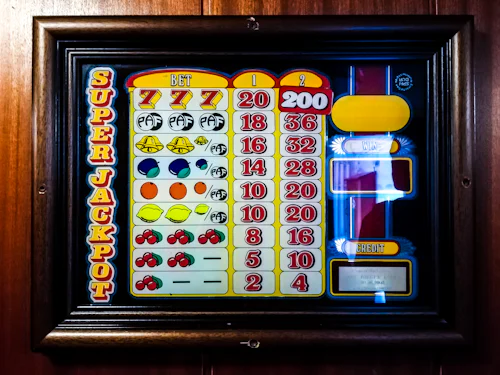
Moreover, the framing effect can dramatically influence how players perceive the risks and rewards associated with casino games. When potential losses or gains are presented in a specific manner, individuals may alter their betting behavior. For instance, a player may be more inclined to take risks if they perceive a potential win as a “gain” rather than an “investment.” Understanding these cognitive biases is crucial for recognizing how they contribute to habitual gaming and the choices individuals make in a casino environment, ultimately shaping their overall gaming experience.
The Role of Emotions in Gaming Habits
Emotions play a pivotal role in shaping gaming habits, often dictating how individuals approach casino gaming. Many players use gambling as a coping mechanism for stress, anxiety, or depression. The excitement and distraction provided by gaming can temporarily alleviate negative emotions, leading players to return frequently for that emotional high. This dependence on gaming as a source of relief can create a cycle of habitual gambling, where individuals seek out the casino as a form of escapism from their daily struggles.
Furthermore, the thrill generated from winning can lead to emotional highs that players become addicted to chasing. This phenomenon is often related to thrill-seeking behavior, which encourages individuals to engage in gaming more frequently, even when they are aware of the inherent risks involved. The emotional rollercoaster of wins and losses entrenches these habits, as players continuously seek out that euphoric feeling associated with gambling victories. This emotional dependency can cloud judgment, leading individuals to prioritize gaming over other important aspects of life.
Conversely, negative emotions can also drive players to gamble more excessively. For example, someone who has experienced a significant loss might return to the casino in an attempt to recover their losses, believing that their luck will change. This “chasing losses” behavior is common among habitual gamblers and highlights the complex relationship between emotions and gaming habits. Understanding these emotional triggers can provide insights into why individuals may struggle with their gambling behaviors, paving the way for developing healthier coping strategies that do not rely on gaming.
Casino Design and Player Engagement
The design and layout of casinos are meticulously crafted to keep players engaged and encourage longer gaming sessions. A key aspect of this is the absence of clocks and windows, which creates a timeless environment that can lead players to lose track of time. This manipulation of the environment promotes prolonged gambling sessions, as players focus on the games rather than their surroundings. The immersive atmosphere enhances the emotional experience, reinforcing the desire to continue playing. This design strategy is aimed at maximizing player retention and encouraging increased spending.

Additionally, casinos employ a range of sensory stimuli, including sounds and visuals, to create a captivating environment. The sounds of slot machines hitting jackpots and the clinking of chips evoke excitement and draw players deeper into the experience. Moreover, strategically placed lighting and vibrant colors are designed to heighten emotional responses and stimulate a sense of urgency. Such elements of design are not merely for aesthetics; they play an integral role in shaping player behavior and encouraging habitual gaming. The psychological impact of these design choices cannot be overstated, as they directly influence how players engage with games.
The implementation of reward systems, such as loyalty programs and bonuses, is another tool used by casinos to promote engagement and foster player loyalty. These incentives create a psychological commitment to the casino, pushing players to return in hopes of maximizing their rewards. The anticipation of earning rewards can enhance the emotional experience, compelling individuals to increase their gaming frequency. This combination of design and psychological strategy contributes to the development of habitual gaming behaviors, as players find themselves caught in a cycle of reward and anticipation.
Understanding Responsible Gaming
As the psychology behind casino gaming habits becomes clearer, the importance of promoting responsible gaming rises. Understanding how psychological factors influence gambling behavior can help players make better decisions regarding their gaming habits. Many casinos now offer resources and tools designed to assist players in recognizing when their gaming may become problematic. These initiatives aim to create a safer environment for individuals who engage in gambling activities, ensuring that entertainment does not turn into addiction.
Programs that encourage self-awareness about gambling patterns are essential for fostering responsible gaming. These may include self-exclusion options, setting deposit limits, and resources for assessing personal gaming habits. By cultivating an understanding of their motivations and behaviors, players can better manage their gaming experiences and avoid the pitfalls of excessive gambling. Education on the risks associated with gambling can empower individuals, enabling them to make informed choices about their participation.
Furthermore, the integration of mental health resources into gaming environments supports individuals struggling with gambling-related issues. Many casinos are now collaborating with organizations specializing in addiction to offer support services and counseling. This acknowledgment of the psychological aspect of gaming demonstrates a commitment to promoting healthier habits and ensuring that gaming remains a form of entertainment rather than a harmful addiction. By fostering a culture of responsible gaming, both players and casinos can work towards a more balanced and enjoyable gaming experience.
